 What Is an Overbite?
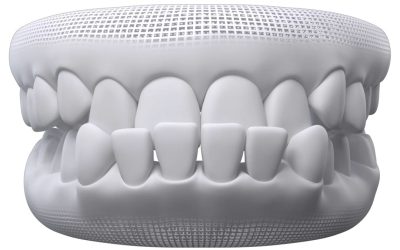
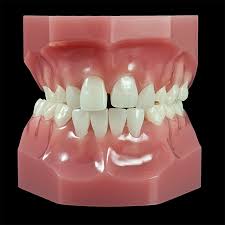
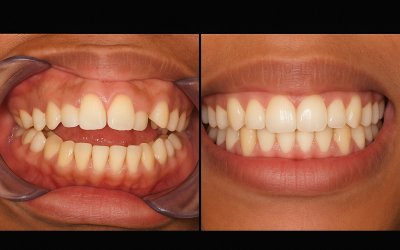
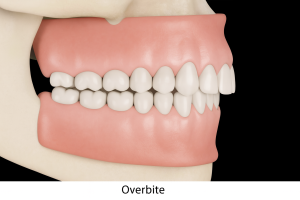
An overbite – sometimes called a deep bite – is when the upper front teeth overlap the lower front teeth more than they should when you bite down.
A small amount of overlap is normal, but when the top teeth cover too much of the bottom teeth, it can affect the smile, the way you bite, and even the long-term health of your teeth and gums.
Many kids, teens, and adults with this bite also have crowded or protruding front teeth, or a narrow upper jaw.
Signs You or Your Child May Have an Overbite
Some bites are easy to see, others are more subtle. Common signs include:
- The upper front teeth cover most of the lower front teeth when you bite
- Front teeth that look “too far forward” or “sticking out”
- Difficulty biting into foods like sandwiches or apples
- Wear or chipping on the edges of the front teeth
- The lower teeth biting into the roof of the mouth or the gums behind the upper teeth
- A smile that looks “deep” or “closed”
If you notice any of these signs, a check-up with an orthodontist is the safest way to find out what is really going on with the bite.
Why a Severe Overbite Can Be a Problem
A pronounced overbite is more than just a cosmetic issue. If left untreated, it can lead to:
- Excessive wear, flattening, or chipping of the front teeth
- Irritation or injury to the gums or roof of the mouth
- Jaw discomfort or tension in the chewing muscles
- Higher risk of trauma if the front teeth stick out
- Difficulty keeping teeth clean, which may increase the risk of cavities and gum disease
Correcting the bite helps protect the teeth, improves function, and can make the smile look more open and relaxed.
What Causes an Overbite?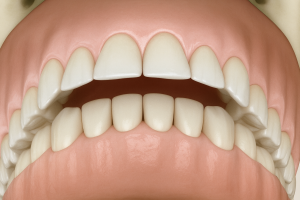
An overbite usually develops over time. Common causes include:
- Genetics and the natural size and position of the jaws
- Childhood habits such as thumb sucking, prolonged pacifier use, or tongue thrusting
- Early loss of baby teeth that allows other teeth to drift
- Crowding or spacing problems that push the front teeth out of position
- Certain growth patterns of the jaws
During an orthodontic evaluation, Dr. Kendrick looks at whether the overbite is mainly a tooth-position problem (dental overbite), a jaw-position problem (skeletal overbite), or a combination of both.
Overbite Treatment for Children and Teens
For growing patients, we often have more “growth-friendly” options, because the jaws are still developing.
Early evaluation (age 7 and up)
The American Association of Orthodontists recommends that children see an orthodontist by age 7. This visit allows us to see whether an overbite or other bite problems are developing and whether early treatment would be helpful.
In many cases we simply monitor growth.
- Guide jaw growth in a healthier direction
- Reduce the risk of trauma to front teeth that stick out
- Make future treatment with braces or clear aligners shorter and more predictable
How we treat overbites in growing patients
Depending on the type and severity of the overbite, treatment may include:
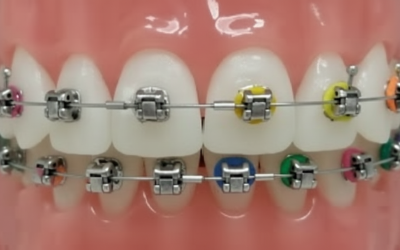
- Braces to align the teeth and gradually reduce the overlap
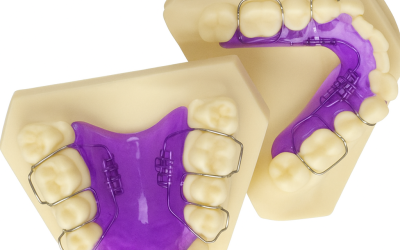
- Growth-guiding appliances to help improve jaw position
- Elastics (rubber bands) to fine-tune how the upper and lower teeth fit together
Example: A teen with a deep overbite and crowded upper teeth may wear braces with light elastics for 18–24 months. As the teeth straighten and the bite opens, the smile looks wider, and the front teeth are less likely to chip.
Overbite Treatment for Adults
Adults can also get excellent results when treating an overbite. Even though the jawbones are no longer growing, modern orthodontics offers powerful tools to correct the bite.
Treatment options for adults may include:
- Metal or ceramic braces for precise control in more complex cases
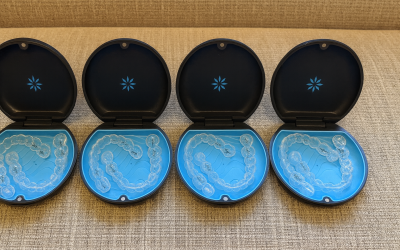
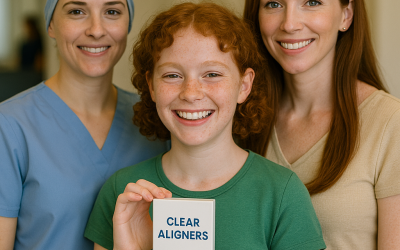
- Clear aligners for patients who prefer a nearly invisible option
- Elastics to help coordinate the upper and lower arches
- In severe skeletal cases, orthodontics combined with jaw surgery may be recommended, but most adults can be treated with braces or aligners alone
Example: Many adult patients come in saying, “My teeth are straight, but my bite feels off and my front teeth are wearing down.” With carefully planned braces or aligners, we can reduce the overbite, protect the front teeth, and improve comfort when biting and chewing.
Braces vs. Clear Aligners for Overbite Correction
Both modern braces and clear aligners can be effective for correcting many types of bites.
- Braces
- Always on your teeth, so they are working 24/7
- Great choice for more significant or complex bites
- Can be metal or more discreet ceramic brackets
- Clear aligners
- Nearly invisible and removable for eating and brushing
- Work well for many mild to moderate overbites when worn as directed
- Can be combined with small tooth-colored attachments and elastics for extra control
At your consultation, Dr. Kendrick will explain which option is likely to give you the most reliable, long-lasting result for your specific bite.
When Should You See an Orthodontist About an Overbite?
You should schedule an orthodontic evaluation if:
- You see that the upper front teeth cover most of the lower front teeth
- Your child’s front teeth are protruding or often get bumped
- You notice wear, chipping, or flattening of your front teeth
- You are unhappy with the appearance of your smile because it looks “too deep” or “closed”
- You have had previous orthodontic treatment, but your overbite has come back
A timely visit can keep a developing problem from becoming a bigger, more complicated issue later on.
Trusted Overbite Treatment in Kissimmee, FL
Correcting an overbite can transform the way your smile looks and feels, and it can help protect your teeth for years to come. At Kendrick Orthodontics in Kissimmee, FL, board-certified orthodontist Dr. James Kendrick combines advanced diagnostics, modern braces, and clear aligners to design a personalized, efficient treatment plan for every patient.
Whether you are a parent concerned about your child’s bite or an adult finally ready to fix a long-standing overbite, our friendly team is here to help.
Call us (407) 870-9848 or click “Schedule a Free Consultation” to book your visit and find out which bite treatment is right for you.