How Airway Orthodontics Can Change Your Child’s Life

Airway Orthodontics in Kissimmee, FL

At Kendrick Orthodontics in Kissimmee, FL, we look at more than straight teeth. For some children, mouth breathing, snoring, restless sleep, daytime tiredness, or trouble focusing may be connected to the way the jaws, palate, and airway are developing.

Airway orthodontics focuses on identifying these concerns early and guiding proper growth while a child is still developing. The goal is to help children breathe better, sleep better, and support healthier facial and dental development.

Many parents first notice the symptoms at home before they ever think about orthodontics. A child may sleep with their mouth open, snore, wake up tired, grind their teeth, or seem restless during the day. In some cases, these signs may be connected to limited airway space, narrow jaw development, or the way the teeth and bite are growing.

What Is Airway Orthodontics?

Airway orthodontics looks at how a child’s jaw growth, palate shape, bite, and breathing patterns work together. Instead of focusing only on straight teeth, this approach also considers whether the mouth and jaws are developing in a way that supports healthy breathing, better sleep, and long-term facial growth.

For growing children, early evaluation is important because the jaws are still developing. When concerns are found early, orthodontic treatment may help guide growth, create more space, and reduce problems that can become harder to correct later.


Signs Your Child Might Need Airway-Focused OrthodonticsChild sleeping with airway obstruction symptoms.

Parents often notice that something feels “off,” but they may not realize it could be connected to breathing, sleep, or jaw development. These signs do not automatically mean a child needs treatment, but they are good reasons to schedule an orthodontic evaluation:

  • Mouth breathing, especially at night
  • Snoring or noisy breathing during sleep
  • Restless sleep, frequent waking, or tossing and turning
  • Daytime tiredness, irritability, or trouble focusing
  • Teeth grinding or clenching
  • Dark circles under the eyes
  • Crowded baby teeth or a narrow-looking smile
  • Bedwetting after age 5
  • Forward head posture or open-mouth resting posture

When these signs appear together, they may point to airway-related concerns that should be evaluated early. An orthodontic exam can help determine whether jaw growth, bite development, or palate width may be contributing to the problem.

Why Early Evaluation Matters

These symptoms can have many causes, so the goal is not to scare parents or diagnose a child from a list. The goal is to recognize patterns early and find out whether orthodontic development may be part of the picture.

Childhood is an important time to evaluate airway-related orthodontic concerns because the jaws, palate, and facial bones are still growing. When the upper jaw is narrow or the bite is not developing properly, it may affect how much room a child has for the tongue, teeth, and airway.

Early orthodontic evaluation may help identify concerns such as:

  • A narrow upper jaw
  • Crowded teeth
  • Mouth breathing habits
  • Crossbite or bite imbalance
  • Poor tongue posture
  • Signs of sleep-disordered breathing
  • Facial growth patterns that may benefit from guidance

Not every child with these signs needs immediate treatment. In some cases, monitoring is enough. In other cases, early orthodontic care may help guide jaw growth, improve space, and reduce the chance of more complicated treatment later.

How Kendrick Orthodontics Evaluates Airway Concerns

Child smiling with early signs of developing orthodontic concerns

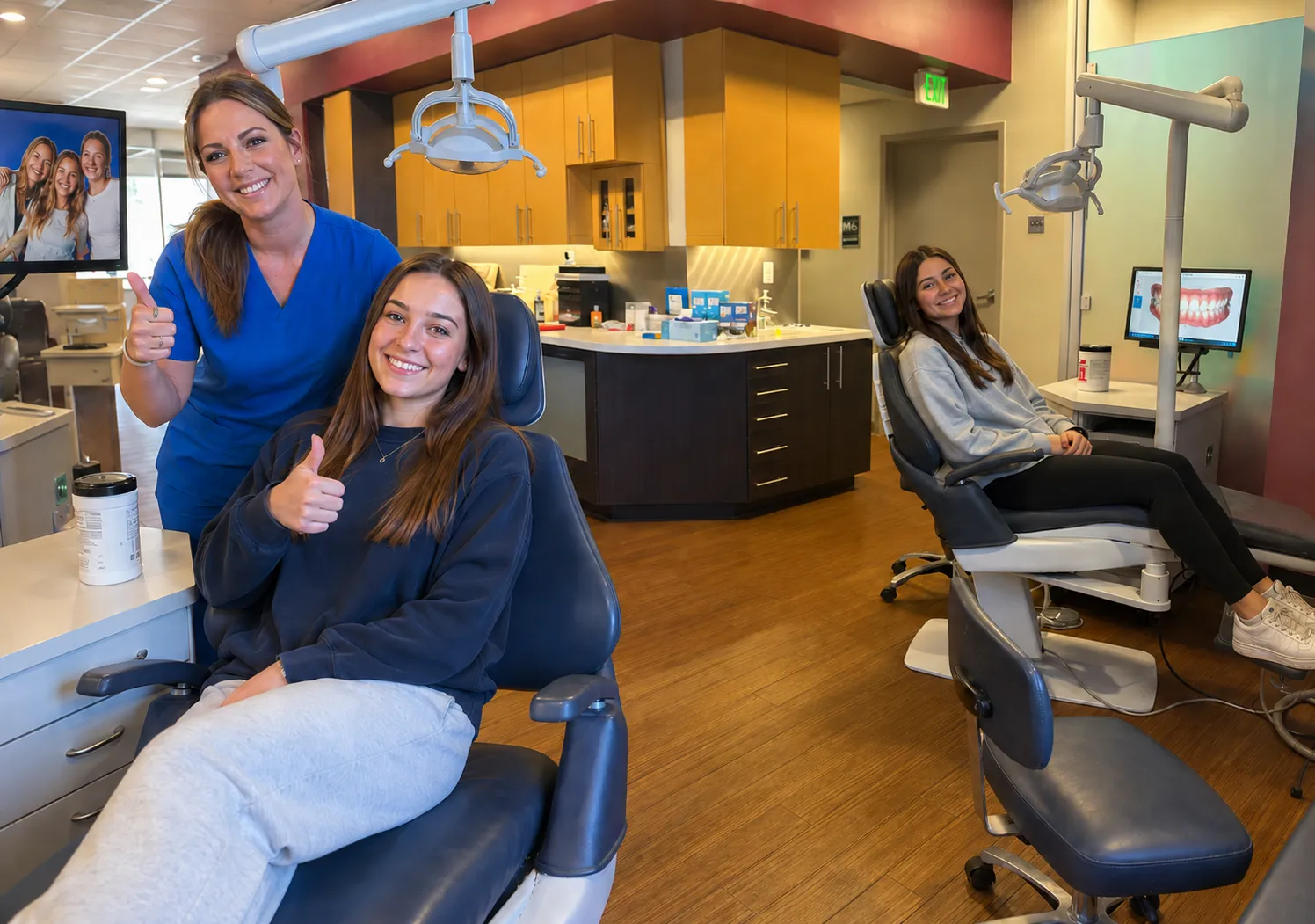
At Kendrick Orthodontics, airway-focused care starts with a careful evaluation. Dr. James Kendrick looks at the teeth, bite, jaw growth, facial development, and signs that may suggest a child is not breathing or sleeping as well as they should.

Depending on the child’s needs, the evaluation may include digital imaging, orthodontic records, bite assessment, and a discussion about symptoms parents are noticing at home. The goal is to understand the whole picture before recommending treatment.

Treatment Options May IncludePalatal expander used in early orthodontic treatment to help guide upper jaw growth.

Palatal Expansion

For some children, a narrow upper jaw can limit space for the teeth and tongue. A palatal expander may help widen the upper jaw while a child is still growing. This can create more room for proper dental development and may support better nasal breathing.

Phase I Orthodontics

Phase I treatment is early orthodontic care for children who still have some baby teeth. It may be recommended when jaw growth, crowding, bite problems, or airway-related concerns need guidance before all permanent teeth come in.

Collaboration With Other Providers

Airway concerns can involve more than orthodontics. When needed, Dr. Kendrick may recommend that parents also speak with a pediatrician, ENT specialist, sleep physician, or other medical provider. This helps make sure the child receives the right care from the right professionals.


What Parents Are Saying

Parents often come to us because they feel something is not right, even if they are not sure what the problem is. They may notice that their child is tired in the morning, breathes through their mouth, snores, grinds their teeth, or has trouble focusing during the day.

Many parents tell us they were not looking for “airway orthodontics” at first. They were simply trying to understand why their child was not sleeping well, why mornings were difficult, or why school focus seemed harder than it should be. Once Dr. Kendrick explains how jaw growth, palate width, bite development, and breathing can be connected, parents often feel more comfortable because the problem finally starts to make sense.

That conversation is an important part of the visit. We do not want parents to feel rushed or pressured. We want them to understand what we are seeing, what may need attention, and what options may be available. For many families, having a clear explanation is the first step toward feeling confident about treatment.

These parent observations matter. What happens at home — during sleep, school, and daily routines — can help us understand whether breathing, jaw growth, bite development, or airway space may be part of the concern.

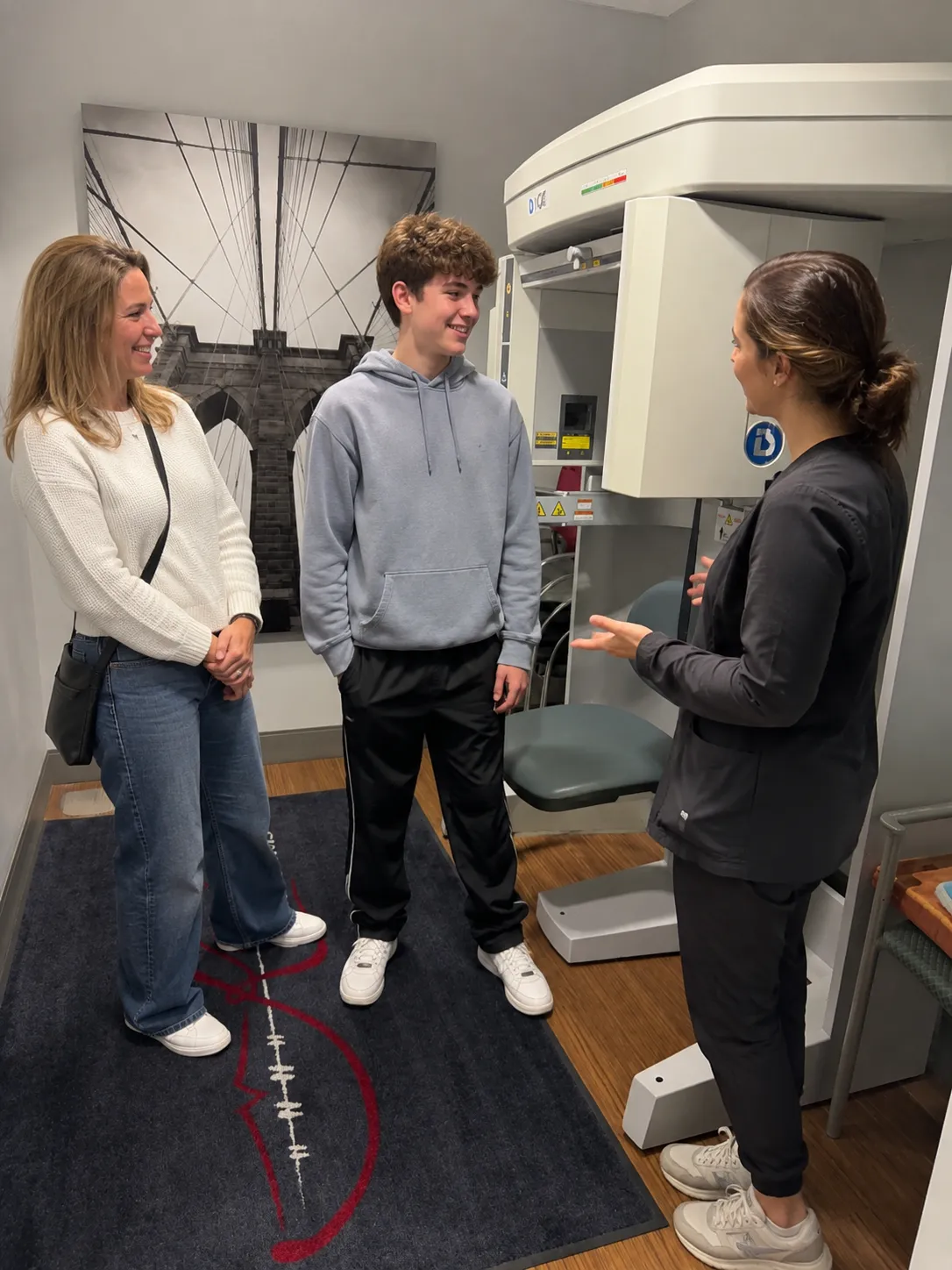
Why Parents Should Not Wait Too LongOrthodontic airway evaluation for a child with the doctor, assistant, and parent present

Many airway-related concerns are easier to evaluate while a child is still growing. That does not mean every child needs braces or an expander right away. It means parents should not ignore ongoing signs like mouth breathing, snoring, restless sleep, or chronic daytime tiredness.

An early orthodontic visit can give parents clarity. Sometimes the answer is simple monitoring. Sometimes treatment is recommended. Either way, the family has better information and a clearer plan.

Airway Orthodontics FAQ

What is airway orthodontics?

Airway orthodontics looks at how the teeth, jaws, palate, and bite may affect a child’s breathing and sleep. It does not replace medical care, but it can help identify orthodontic growth concerns that may be contributing to mouth breathing, snoring, or restless sleep.

What age should a child be evaluated?

The American Association of Orthodontists recommends that children have their first orthodontic checkup by age 7. This is a good time to evaluate jaw growth, crowding, bite development, and possible airway-related concerns while the child is still growing.

Does every child with mouth breathing need treatment?

No. Mouth breathing can have several causes. Some children may need monitoring, some may need medical evaluation, and some may benefit from orthodontic treatment. The purpose of the visit is to understand what is happening and decide the right next step.

Can orthodontics help with snoring or sleep problems?

Orthodontics may help when narrow jaw development, crowding, bite issues, or palate shape are part of the problem. If symptoms suggest a medical sleep concern, Dr. Kendrick may recommend that parents also speak with a pediatrician, ENT specialist, or sleep physician.

What happens during an airway orthodontic evaluation?

Dr. Kendrick reviews the child’s teeth, bite, jaw development, facial growth, and parent concerns. The visit may include digital records or imaging when needed. Parents leave with a clearer understanding of what may be happening and whether treatment, monitoring, or referral is recommended.

                                                        Schedule your consultation today.                                                                   

                                                                           WE”LL MAKE IT SIMPLE.

                                                                                      (407)870-9848

                                              Let us help your child breathe easier, sleep deeper, and live healthier.


    LEARN MORE ABOUT ORTHODONTIC CARE AT THE : 

 American Board of Orthodontics                                              ABO

Orthotown ( orthodontic professional community )                            Orthotown.com
 American Dental Association                                                                 ADA  
AMERICAN  ASSOCIATION OF ORTHODONTIST                                   AAO     


Braces Cost in Kissimmee, FL

Braces Costs in Kissimmee, FL vary depending on the complexity of your case and treatment plan. If you’re researching braces, you probably have one main question: Braces in Kissimmee, FL, vary depending on the complexity of your case and treatment plan. How much will...

What Is an Underbite?

What Is an Underbite?

An underbite is a bite problem where the lower front teeth sit in front of the upper front teeth when you bite down. In some people, the lower jaw can look like it “sticks out” compared to the upper jaw. A small mismatch can be easy to miss, but a more noticeable...

Crossbite Treatment in Kissimmee, Florida

Crossbite Treatment in Kissimmee, Florida

What Is a Crossbite? A crossbite is a type of bite problem where some of the upper teeth fit inside the lower teeth instead of outside when you bite together. This bite problem can affect the front teeth , the back teeth , or both. They may be on one side of the mouth...

Invisalign® in Kissimmee FL

Invisalign® in Kissimmee FL

Invisalign® in Kissimmee FL – A Practical Guide for New Patients If you want to straighten your teeth without brackets and wires, Invisalign® clear aligners are a modern, low-profile option planned and monitored by an orthodontist in Kissimmee. These slim, transparent...

Customized Braces  Kissimmee, Florida

Customized Braces Kissimmee, Florida

  Customized Braces Kissimmee – A Smile That Fits Your Life At Kendrick Orthodontics, we offer customized braces  Kissimmee that align perfectly with your smile goals, lifestyle, and anatomy. Whether you’re a teen, adult, or parent seeking efficient, modern...

How Long Does Orthodontic Treatment Take?

How Long Does Orthodontic Treatment Take?

Serving Kissimmee, Florida. Kendrick Orthodontics also serves nearby areas. How Long Does Orthodontic Treatment Take? Short answer: most orthodontic treatments take 12–24 months, depending on bite complexity, appliance choice, and consistency. Simple alignment can...