What Is a Crossbite? 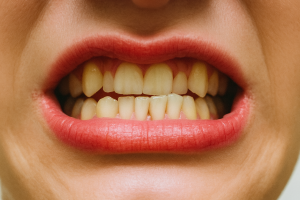
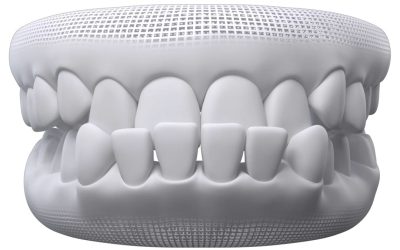
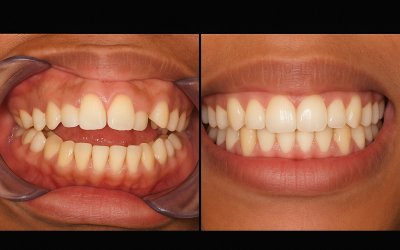
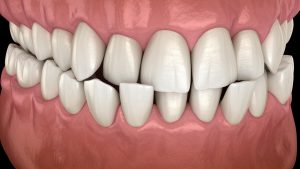
A crossbite is a type of bite problem where some of the upper teeth fit inside the lower teeth instead of outside when you bite together.
This bite problem can affect the front teeth , the back teeth , or both. They may be on one side of the mouth (unilateral) or on both sides (bilateral).
It often appears together with a narrow upper jaw, dental crowding, or a shifted bite where the jaw slides to one side to find a place to close.
Signs You or Your Child May Have
Common signs of a crossbite include:
- One or more upper teeth biting inside the lower teeth
- The midline of the upper and lower front teeth not lining up
- A smile that looks narrow or “collapsed” on one side
- Cheeks or gums that get bitten frequently while chewing
- Uneven wear on certain teeth
- The jaw shifting to one side when you close your teeth together
If you notice any of these signs, an orthodontic evaluation is the best way to find out what type of crossbite is present and how to correct it.
Why a Crossbite Can Be a Problem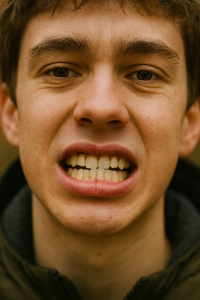
A crossbite may look minor at first, but over time it can create real issues:
- Uneven wear and chipping of teeth on one side
- Gum recession or bone loss around teeth that are in crossbite
- Difficulty chewing comfortably on both sides
- Jaw growth that becomes asymmetric if the jaw shifts to one side in children
- Increased risk of joint or muscle discomfort in some patients
Correcting the bite helps protect the teeth and gums, improves function, and can help keep the jaws growing more symmetrically in younger patients.
What Causes a Crossbite?
This type of bite can develop for several reasons:
- A naturally narrow upper jaw or a wider lower jaw
- Dental crowding or early loss of baby teeth that changes how permanent teeth erupt
- Habits such as thumb sucking that affect jaw growth
- Genetics and inherited jaw size and shape
- A combination of tooth-position problems and jaw-position problems
During your visit at Kendrick Orthodontics in Kissimmee, FL, Dr. James Kendrick will take photos, X-rays, and a digital scan to see whether the crossbite is due mainly to tooth position, jaw width, or both.
Crossbite Treatment for Children and Teens
In growing patients, we often correct crossbites early, because the jawbones are still developing and respond well to treatment.
The American Association of Orthodontists (AAO) recommends that children have their first check-up with an orthodontist by age 7. This early visit helps detect problems such as crossbites and narrow upper jaws before they become more serious.
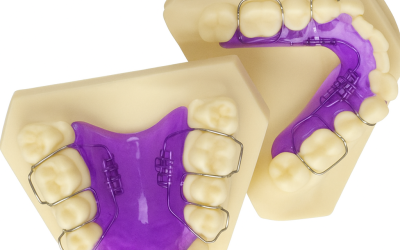
Palatal expanders
For many children and teens with a narrow upper jaw, a palatal expander is a gentle, proven way to widen the upper arch so that the upper and lower teeth can fit together more naturally.
The expander is usually followed by braces or clear aligners to fine-tune tooth positions and the bite.
Braces and elastics
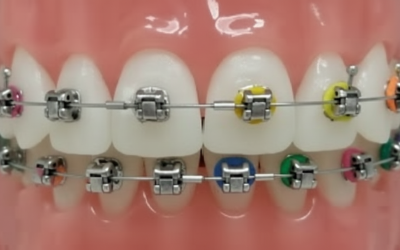
Braces allow precise control of tooth movement and, together with elastics, can correct many anterior and posterior crossbites. Once the jaw width is improved, braces help line everything up and keep the correction stable.
Example: A child with a narrow upper jaw and a crossbite on one side may first wear an expander for several months, then transition into braces to finish aligning the teeth and bite.
Crossbite Treatment for Adults
Adults with crossbites can still be successfully treated, although the approach may be slightly different because the jawbones are no longer growing.
Treatment options for adults may include:
- Braces with elastics to correct tooth-position crossbites
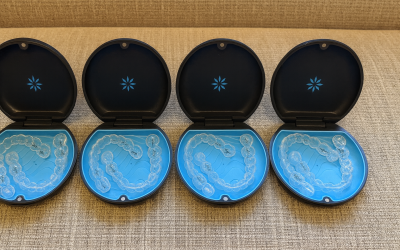
- Clear aligners with elastics and attachments for selected cases
- Palatal expansion using special devices
- In severe skeletal cases, a combination of orthodontics and jaw surgery
When MARPE may be recommended
For some teens and adults with a very narrow upper jaw, Dr. Kendrick may recommend a MARPE expander (mini-implant assisted rapid palatal expander).
This appliance uses small temporary anchors to help widen the upper jaw more predictably. After the MARPE phase, braces or clear aligners are used to finish aligning the teeth.
Braces vs. Clear Aligners for Bite Correction
Both braces and clear aligners can be used to correct many of these bite problems.
- Braces
- Excellent for more complex or multiple crossbites
- Work around the clock and can be combined with expanders and elastics
- Clear aligners
- A more discreet option for selected cases
- Work best for mild to moderate crossbites when worn as directed
- Often combined with small attachments and elastics for extra control
At your consultation, Dr. Kendrick will explain which approach is most reliable for your specific crossbite.
When Should You See an Orthodontist About a Bite?
You should schedule an orthodontic evaluation if:
- You see that some upper teeth bite inside the lower teeth
- Your child’s smile looks narrow or shifted to one side
- You or your child often bite the cheek or gums when chewing
- You notice uneven wear or gum recession around certain teeth
- You have been told you have a crossbite but have never had it corrected
Early diagnosis and treatment can prevent a small imbalance from turning into a more complex problem later on.
Crossbite Treatment in Kissimmee, FL with Dr. Kendrick
Correcting a bite can improve comfort, protect your teeth and gums, and give you a wider, more balanced smile. At Kendrick Orthodontics in Kissimmee, FL, board-certified orthodontist Dr. James Kendrick uses expanders, braces, clear aligners, and MARPE when needed to create individualized treatment plans for children, teens, and adults.
If you are concerned about a possible crossbite for yourself or your child, we are here to help.