What is an Underbite?
An underbite occurs when the lower front teeth sit in front of the upper front teeth when the mouth is closed. This bite problem may affect chewing, speech, tooth wear, jaw comfort, and facial balance. A thorough orthodontic evaluation can determine whether the underbite is caused by tooth position, jaw growth, or both.
Why Does an Underbite Happen?
An underbite is usually caused by the way the jaws grow, the position of the teeth, or a combination of both. Some children inherit an underbite from their parents, while in other cases it develops gradually as the jaws grow at different rates. Finding the exact cause matters, because it determines the right treatment. With more than 45 years of experience, board-certified orthodontist Dr. Kendrick carefully evaluates jaw growth, tooth position, and bite function to find the true cause of your underbite — and builds a personalized treatment plan for children, teens, and adults in Kissimmee and Central Florida.
- Genetics and family history
- Differences in jaw growth
- Tooth-positioning problems
- Missing or impacted teeth
- Childhood developmental factors

Underbite Treatment Options
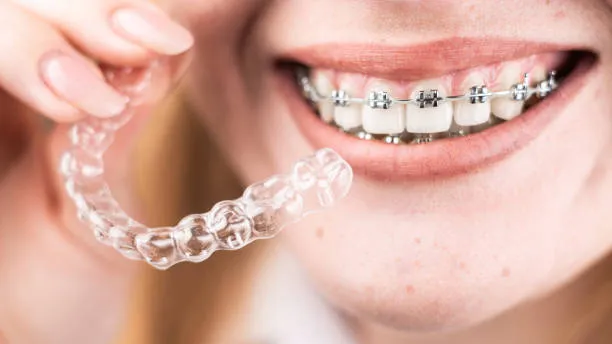
Underbite treatment depends on whether the condition involves tooth position, jaw growth, or both. Dr. Kendrick carefully evaluates each patient’s bite, facial development, and treatment needs before recommending an individualized approach. Early treatment may help guide jaw growth in children, while teens and adults may benefit from braces, clear aligners, or expansion appliances. The goal is to improve bite function, alignment, facial balance, and long-term stability.
Treatment options may include:
•Early orthodontic treatment for growing children
•Metal or clear ceramic braces
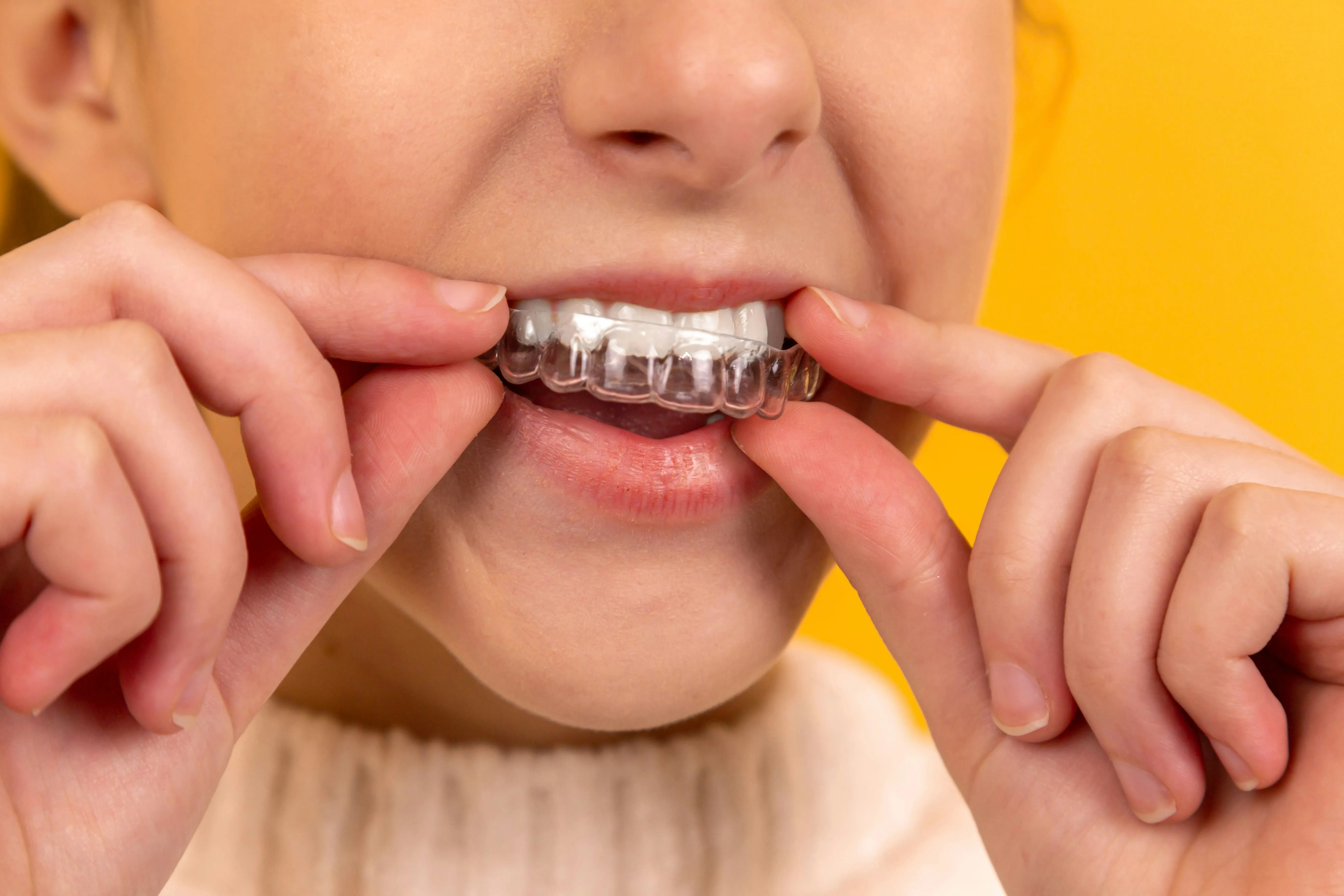
•Clear aligners for appropriate cases
•Palatal expansion or other orthodontic appliances
•Retainers to maintain the results
Benefits of Underbite Correction
An underbite changes how the upper and lower teeth meet and can create an imbalance across the bite. Correcting that relationship can improve everyday function while supporting a healthier, more stable result.
- Easier biting and chewing
- Less strain on the jaw joints and muscles
- More even pressure across the teeth
- Improved facial profile and smile balance
What to Expect During Underbite Treatment
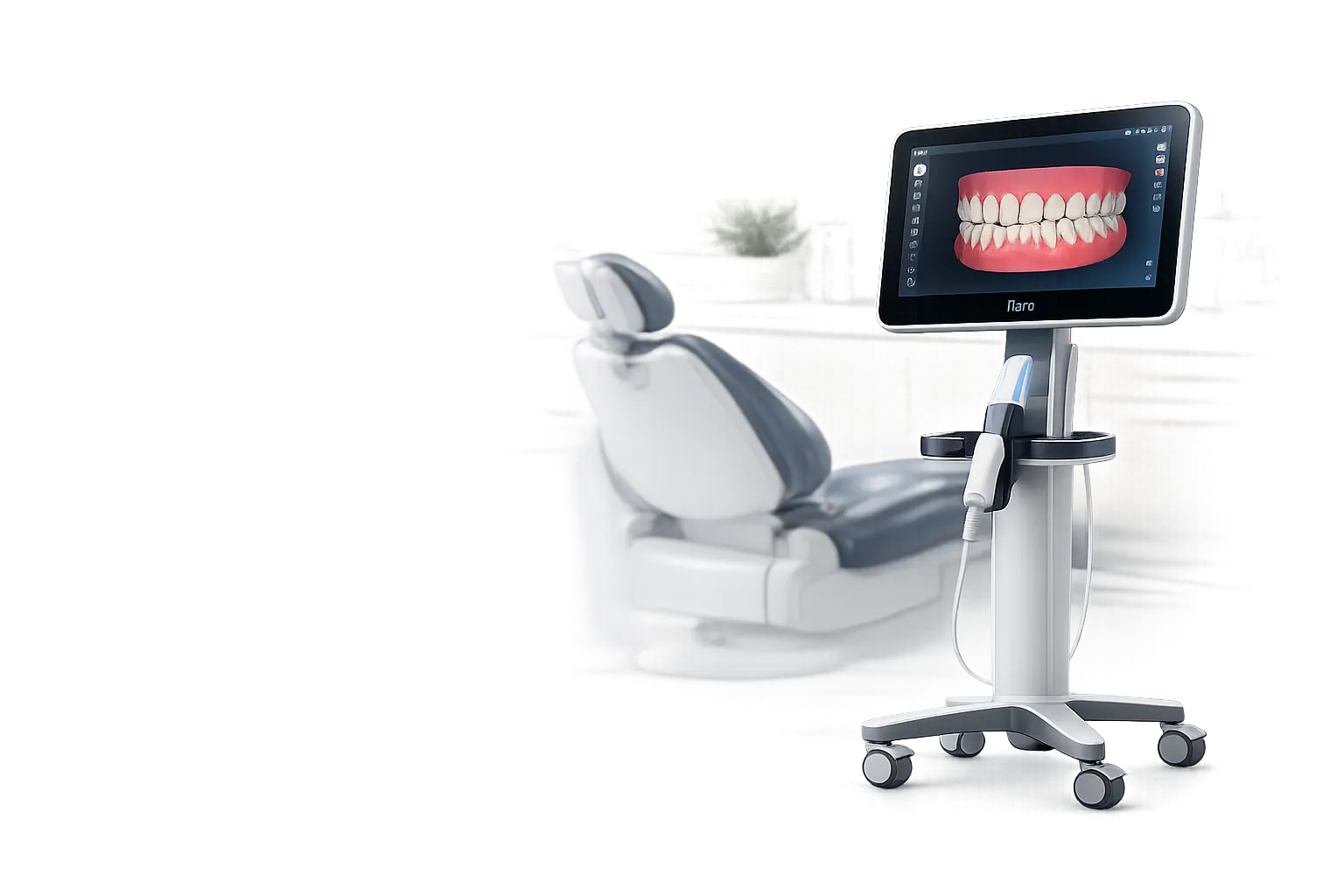
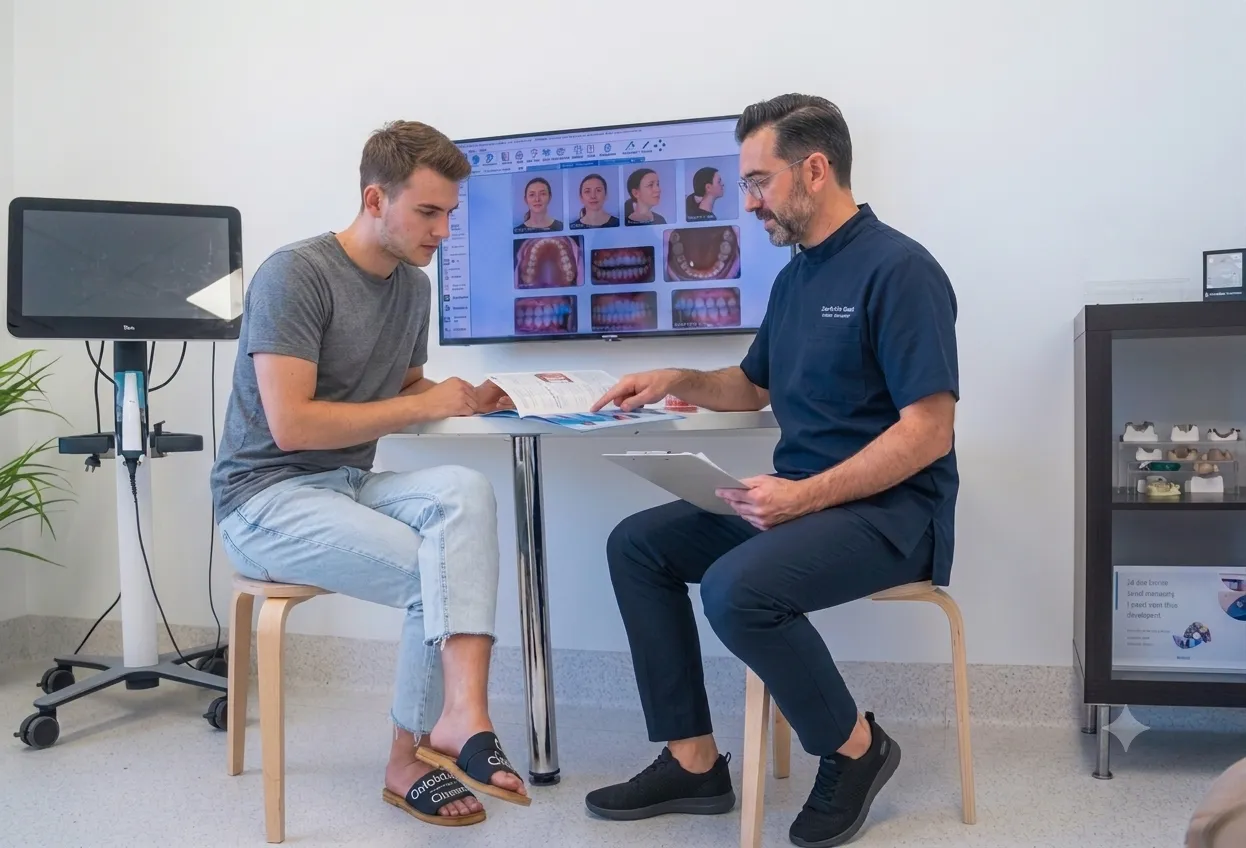
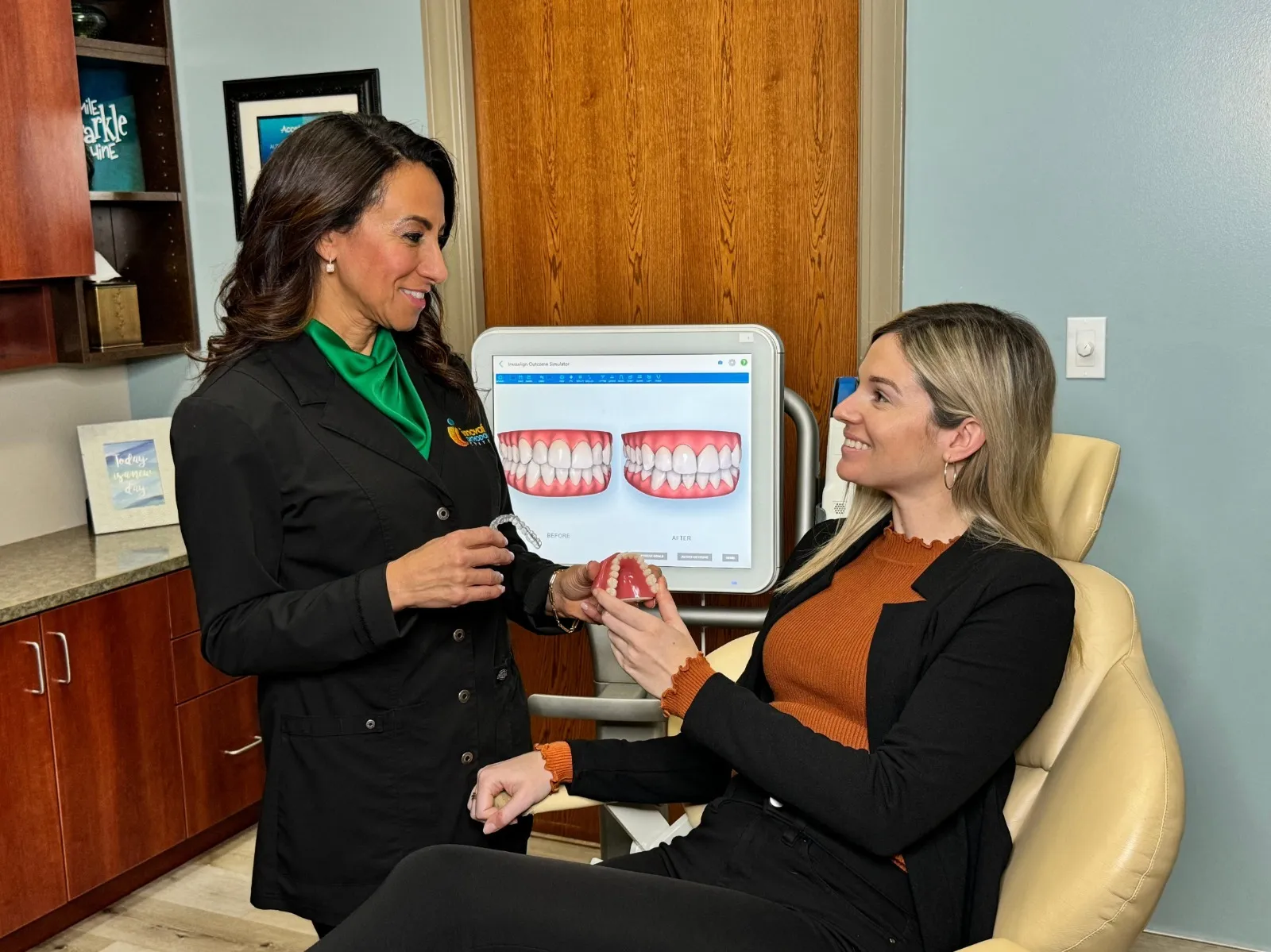
Underbite correction begins with a detailed evaluation of how the upper and lower teeth and jaws fit together. Dr. Kendrick considers tooth position, jaw growth, facial balance, and bite function before creating a plan tailored to the patient’s age and needs. Throughout treatment, progress is closely monitored and adjustments are made as the bite improves. After active treatment, retainers help maintain the new alignment and support long-term stability.
Underbite FAQs
Common questions about underbite causes, treatment options, and underbite correction in Kissimmee, FL.
An underbite may develop because of genetics, differences in jaw growth, or the position of the teeth. A detailed orthodontic evaluation helps identify the underlying cause.
An underbite should be evaluated as soon as it becomes noticeable. Early treatment may help guide jaw growth while a child is still developing and may reduce the need for more complex treatment later.
Yes. Adults may be treated with braces, clear aligners, expansion appliances, or a combination of approaches. Dr. Kendrick recommends treatment based on the severity and cause of the underbite.
Braces can correct many underbites caused primarily by tooth position. Clear aligners may also be appropriate for selected cases. Underbites involving jaw growth may require additional orthodontic appliances.
Many underbites can be treated without surgery, especially when identified during childhood. Treatment depends on the patient’s age, jaw development, tooth position, and the severity of the condition.
Treatment time varies according to the complexity of the underbite and the recommended approach. Dr. Kendrick provides a personalized timeline after completing a full evaluation.
An untreated underbite may contribute to uneven tooth wear, chewing difficulties, jaw strain, and changes in facial balance. Early evaluation can help protect bite function and long-term oral health.




%203.webp)