Early Orthodontic Treatment for Children in Kissimmee FL 
The American Association of Orthodontists recommends that every child have an orthodontic check-up no later than age 7. The American Academy of Pediatric Dentistry (AAPD) also encourages early dental and orthodontic visits so parents can understand how their child’s teeth and jaws are developing.At this age, a mix of baby and permanent teeth, along with the child’s jaw growth pattern, gives a clear picture of how the bite is developing and whether early orthodontic treatment could prevent more serious problems later on.
At Kendrick Orthodontics in Kissimmee, we use early orthodontic treatment to gently guide growing jaws, create space for incoming permanent teeth, and support healthy breathing and facial development—not just straighter teeth.
Why early orthodontic treatment matters
Early orthodontic treatment (also called interceptive orthodontics or Phase 1 treatment) focuses on correcting problems while your child is still growing. According to national orthodontic and pediatric dental guidelines, early treatment can:
- Guide jaw growth so the upper and lower jaws fit together properly
- Make room for crowded or blocked-out permanent teeth
- Lower the risk of tooth extractions or jaw surgery in the future
- Improve the way lips meet and support the face
- Help break harmful habits like thumb-sucking or chronic mouth breathing
- Improve bite function for chewing, speaking, and long-term oral health
In other words, early treatment doesn’t just “put braces on baby teeth.” It reshapes how the bite is developing so your child’s permanent teeth have the best possible foundation.
What age is best for an orthodontic check-up?
Most children benefit from a first orthodontic evaluation around age 7. At this stage, Dr. Kendrick can see:
- How the upper and lower jaws are growing
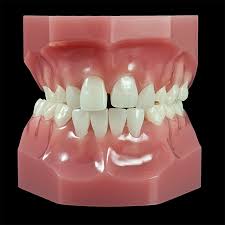
- Whether there is enough space for permanent teeth
- If the front or back teeth are biting in the wrong direction (crossbite, overbite, underbite)
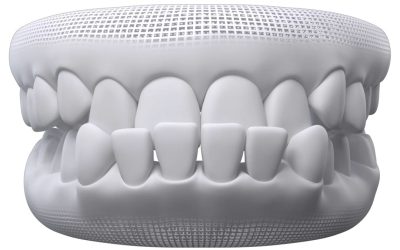
- Early signs of crowding, open bite, or deep bite
- Whether breathing and airway issues might be affecting jaw growth
Some children will simply need to be monitored as they grow. Others may benefit from early orthodontic treatment to correct issues before they become more complex.
Problems early orthodontic treatment can address
Early orthodontic treatment for children in Kissimmee FL is especially helpful for:
- Crossbite of the front or back teeth – when upper teeth bite inside the lower teeth, which can cause the jaw to grow off-center.
- Severe crowding or blocked-out teeth – not enough room for permanent teeth to erupt in a healthy position.
- Protruding front teeth – upper teeth that stick out significantly, increasing the risk of injury.
- Open bite – front teeth that don’t touch when the back teeth are together, often linked to habits or tongue posture.
- Underbite – the lower jaw sits in front of the upper jaw.
- Harmful oral habits – thumb- or finger-sucking, prolonged pacifier use, or tongue thrust.
- Mouth breathing and airway concerns – narrow upper jaw, chronic mouth breathing, or suspected pediatric sleep-disordered breathing.
By treating these issues early, we can often reduce the time and complexity of treatment needed in the teen years.
How early orthodontic treatment can support healthy breathing
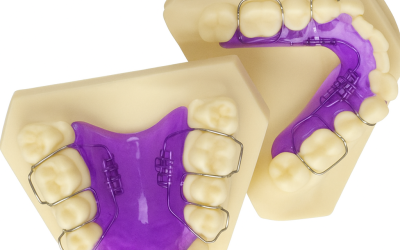
Many children with narrow upper jaws, chronic mouth breathing, or snoring have underlying airway issues. A narrow palate can limit nasal airflow and contribute to obstructive sleep apnea in children. Orthodontic treatments such as palatal expanders widen the upper jaw, which can increase space for the tongue and improve nasal breathing.
At Kendrick Orthodontics, Dr. Kendrick carefully evaluates your child’s:
- Nasal vs. mouth breathing pattern
- Jaw and tongue posture
- Any history of snoring, restless sleep, or daytime fatigue
When needed, we coordinate with pediatricians, ENTs, and sleep specialists to ensure your child’s airway health is fully addressed—not just their teeth.
 Common appliances used in early orthodontic treatment
Depending on your child’s needs, early orthodontic treatment may include:
- Palatal expander – gently widens the upper jaw to correct crossbites, create space for permanent teeth, and support better nasal breathing.
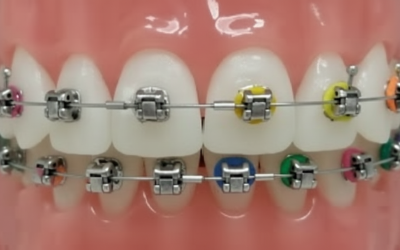
- Partial braces or limited braces – placed on specific teeth to align them and guide erupting permanent teeth into better positions.
- Space maintainers – hold space when a baby tooth is lost too early, preventing neighboring teeth from drifting.
- Functional appliances – help guide jaw growth when the upper or lower jaw is ahead or behind.
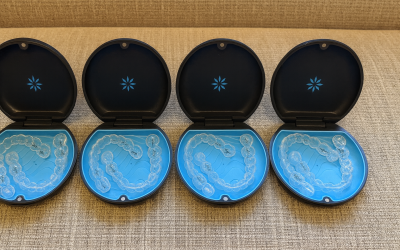
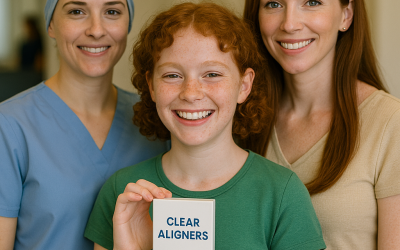
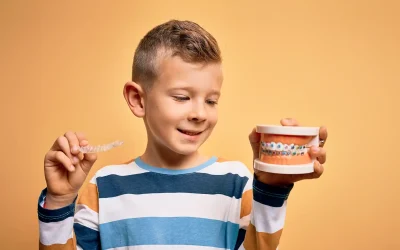
- Clear aligners for select cases – for responsible older children and pre-teens, when appropriate.
- Retainers and habit-breaking appliances – help stop thumb-sucking or tongue-thrust habits and stabilize the bite.
Every treatment plan is customized. Some children may only need a simple appliance for a short time; others benefit from a combination of appliances and limited braces.
What happens after Phase 1 treatment?
Early orthodontic treatment is usually Phase 1. After this phase, your child enters a resting or observation period:
- Dr. Kendrick monitors jaw growth and the eruption of the remaining permanent teeth.
- Retainers or simple appliances may be used to maintain improvements.
- When all or most permanent teeth are in, we decide whether a short Phase 2 (full braces or aligners) is needed to refine alignment and bite.
Because many of the big problems were already solved during Phase 1, Phase 2 treatment is often shorter, simpler, and more predictable.
Signs your child may need an early orthodontic evaluation
Schedule an evaluation with our children’s orthodontist in Kissimmee if you notice:
- Crowded, overlapping, or blocked-out teeth
- Early or late loss of baby teeth (compared with siblings or classmates)
- Difficulty biting or chewing food
- Snoring, restless sleep, or daytime mouth breathing
- Jaw shifting to one side when biting
- Teeth that stick out significantly or don’t meet properly
- Thumb- or finger-sucking habits past age 4–5
Even if you are unsure, an examination with Dr. Kendrick gives you clear answers and a plan.
Early orthodontic treatment for children in Kissimmee FL at Kendrick Orthodontics
At Kendrick Orthodontics, our goal is to make early orthodontic treatment:
- Thorough and evidence-based – Dr. James Kendrick stays current with guidelines from the American Association of Orthodontists and the American Academy of Pediatric Dentistry.
- Comfortable for kids – gentle appliances, child-friendly explanations, and a calm office atmosphere.
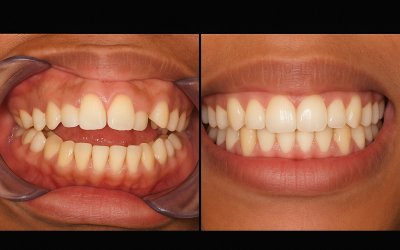
- Transparent for parents – clear treatment timelines, photos, and growth-tracking so you can see progress.
- Flexible for families – payment options and scheduling designed around busy school and activity calendars.
We proudly serve children and families from Kissimmee and the surrounding Central Florida communities.
What Parents Say About Early Orthodontic Treatment in Kissimmee FL
Many parents tell us that before coming in, they were worried about crowding, jaw growth, or mouth breathing, but weren’t sure where to start. After their child’s early orthodontic evaluation, they feel reassured because they finally understand what is happening and have a clear plan tailored to their child.
Families appreciate that we explain every step in simple, honest language and show photos and images so they can actually see the changes over time. Parents also comment that their children feel surprisingly relaxed in our office, even when they are nervous at first about expanders or braces.
Here are a few ways parents often describe their experience with early orthodontic treatment at Kendrick Orthodontics:
- “We finally know what’s going on with our child’s bite and why early treatment was recommended. It’s a huge weight off our shoulders.”
- “The team is patient, kind, and very gentle. Our daughter actually looks forward to her visits and loves seeing her progress.”
- “Starting treatment early made everything more manageable. We’re grateful we didn’t wait until the problems were worse.”
Ready to schedule your child’s early orthodontic evaluation?
If you’re wondering whether early orthodontic treatment could help your child, the easiest step is a professional evaluation.